Navigating the Post-RMA landscape: How to prepare your team for change
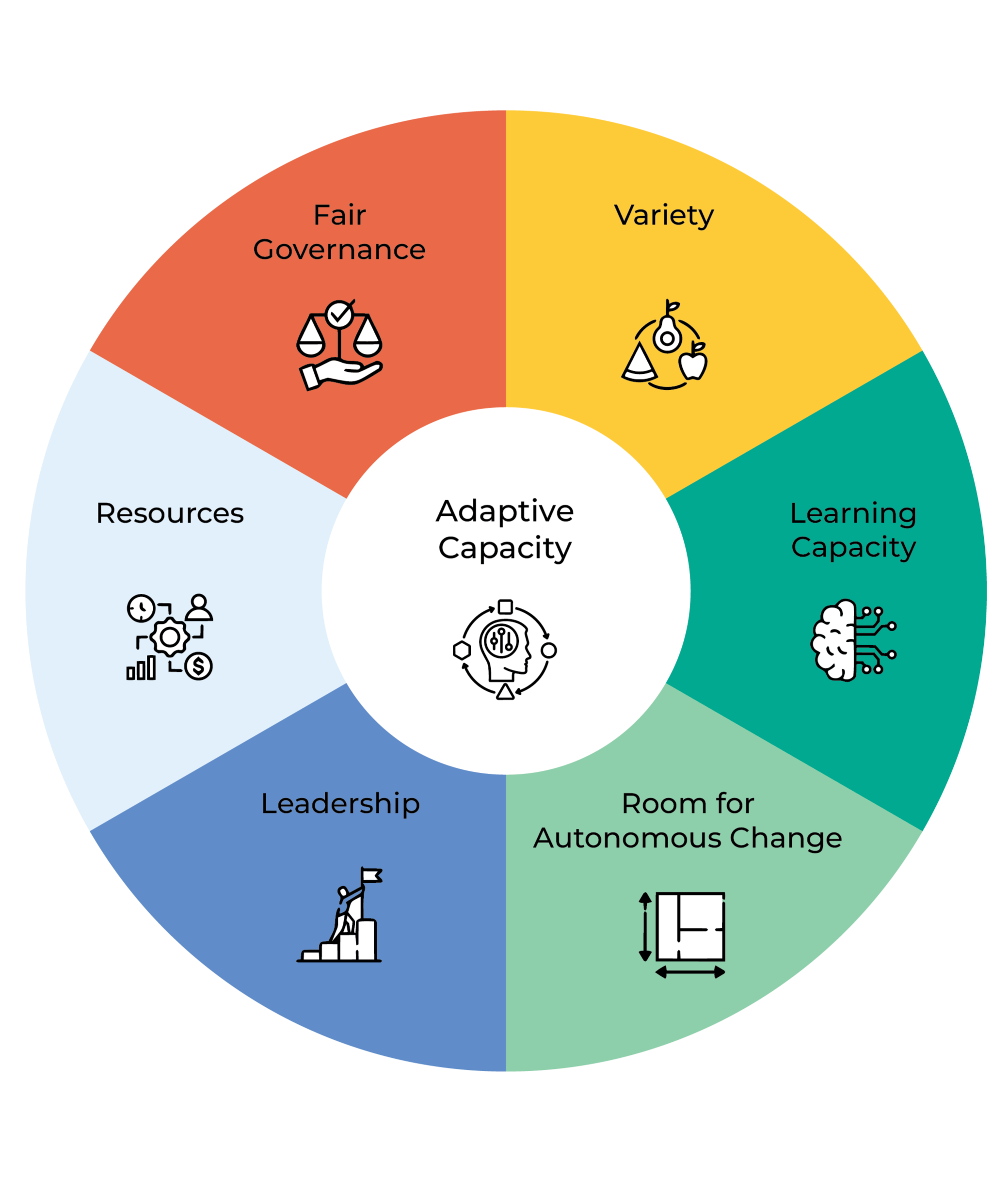
The six dimensions of adaptive capacity
Planning and environmental management in New Zealand is undergoing its biggest overhaul in over 30 years. Between the introduction of Fast-Track consenting and the transition from the RMA to the new Planning Act and the Natural Environment Act, I know many teams are stuck in a stressful state of limbo. It’s completely natural for your team to feel hesitant when the future process isn't clear.
Control what you can
You can’t control the new legislation, the timeframes, or the national direction – but you can control how you support your team in responding to them. When people feel unprepared, they retreat, and decision-making becomes reactive. But when they feel empowered, equipped, and trusted, you can step up to the challenge together and aim for the stars.
That’s exactly why I've poured my expertise into our latest resource: How to Navigate Change: A practical guide for managers to build team adaptability and turn uncertainty into opportunity.
Building adaptive capacity
In my work, I focus on building adaptive capacity. It’s a practical shift from asking, "What are our risks?" to asking, "Are our people and processes actually equipped to handle them?"
Inside the guide, I walk you through the 5-step ADAPT process (Assess, Diagnose, Action, Pulse-check, Tinker). It’s a simple, actionable framework designed to help you measure your team's adaptability, spot hidden roadblocks, and empower your people to confidently handle disruption.
Getting ahead of change means investing in your people before the disruption happens.
Grab your free copy of How to Navigate Change here.